From Amazon’s Alexa to self-parking cars, artificial intelligence (AI) is no longer a futuristic sci-fi film topic - it’s a reality and already prevalent in our everyday lives. The prospect of intelligent machines inspires excitement, with a PwC study predicting that it will potentially contribute $15.7 trillion to the global economy by 2030. However, this hot topic is also causing a stir in the workplace, with fears that certain jobs will become obsolete. Despite these doubts, it’s widely believed, that the number of jobs displaced by artificial intelligence will be less than the number of jobs it will help create, but as Euan Cameron, UK AI leader at PwC states, “there will be winners and losers”. But how exactly will artificial intelligence affect the workplace?
The Impact of AI on the Manufacturing Sector
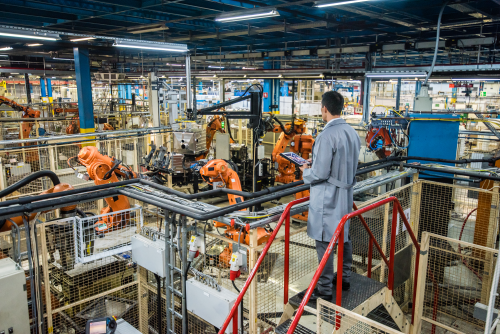
The implementation of AI in manufacturing promises an increase in productivity, self-correcting technology and less environmental damage. The arrival of smart factories already sees this technology in action, with the Finnish Reboot IoT Factory, for example, claiming to revolutionise the manufacturing industry with their innovative technology.
Some current examples of AI in manufacturing include computer vision, in which a camera much more sensitive than the human eye can pick up microscopic defects in products, process those defects and learn from them. Another example of this remarkable technology is the German conglomerate Siemens gas turbines with sensors that feed data to an AI system, allowing it to adjust the temperature, pressure and other variables in order to keep emissions as low as possible.
The Impact of AI on Healthcare
For the healthcare, sector, the impact of AI can be life-changing. With AI comes the possibility of greater efficiency in diagnosis, increased accuracy in readings and improved treatment, thus taking some strain off healthcare workers and providing people with quicker and better care.
A is revolutionising businesses, with technology aiding in problem-solving, recruitment, customer service and security through helping companies to make sense of the plethora of data being created on a daily basis by customers, suppliers and employees. Whilst most of the recent fear around AI in the workplace has been focused on job losses, in some cases it has been proven that technologies such as Intelligent Process Automation (IPA) have been improving roles through freeing employees from completing repetitive and manually intensive tasks, enabling them to focus on more rewarding and stimulating activities, significantly improving morale. For example, UK based independent manufacturer of cleaning and hygiene products, Zenith Hygiene, deployed Celaton’s Intelligent Document Processing (IDP) platform, inSTREAM™ for their Sales Order processing and in doing so freed up their team to drive sales, build customer relationships and focus on growing the business. Additionally, Zenith’s team had more time to pursue training, enhancing skills which have enabled them to be more efficient and productive in their daily roles.

In addition, there are a wide variety of solutions which are enabling organisations to apply AI to customer service through the automated handling of customer correspondence, queries, claims and complaints. This ranges from applications such as Celaton’s inSTREAM for correspondence and Delay Repay (deployed within Virgin Trains) to chatbots and ticket handling services as deployed by companies such as DigitalGenius.
In terms of recruitment, AI is set to find employers the perfect candidate quickly without the need for a face-to-face meeting, saving businesses time and money. AI technology can assess a candidate’s presence, tone of voice and body language in order to match the candidate to the company’s values. Whilst the idea of AI may create anxiety for some, there is no denying the inevitable shift towards technology in the workplace and it’s certainly something that shouldn’t be feared. Some roles may change and will become less repetitive and mundane thanks to AI and a host of new business opportunities and roles will be created in order to support the technology. Although the future of work is uncertain, the one thing we can be sure of is that AI has arrived and is here to stay.