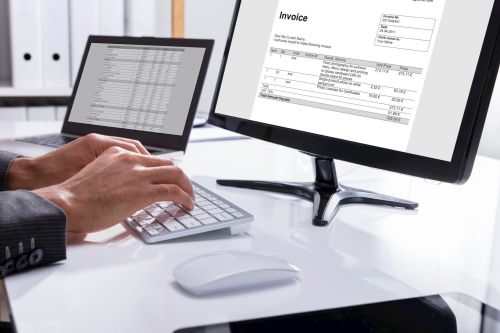
Many technology applications included within traditional DPA solutions, for example, RPA and OCR, are often encompassed within IPA platforms, however as standalone applications have been subject to a certain amount of hype leading to misunderstanding, misaligned expectations and disappointment as a result of limitations of initial automation projects. For example, within an Accounts Payable process, an organisation might receive 10,000’s of invoices from a wide variety of suppliers that need processing for payment. As defined previously, traditional DPA solutions apply a pre-set of business rules to locate, extract and transfer the key data into Finance systems. This solution works effectively when the invoices are structured and follow the same template. However, when an exception is received for example a poor scan, a handwritten note or a new supplier invoice, the preprogrammed rules cannot be applied and a barrier to processing is presented. In these instances, the software would either need to be re-coded every time a new invoice type is received or require manual data entry into the Finance system in order to process, at time and cost to the organisation.
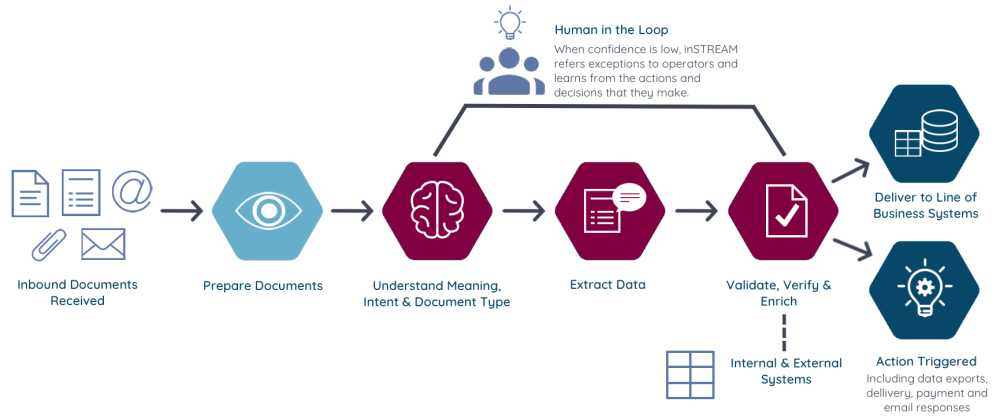
In conclusion, 2020 will be a breakthrough year for IPA, with organisations looking to move beyond traditional technology applications in order to overcome processing barriers. Platforms such as inSTREAM, which enable a no code no-fuss approach to technology, will far extend the possibilities of automation technologies and the value achievable by organisations.